
MAANAS MYLAVARAPU
I work alongside quality, IT, manufacturing, and supply chain teams to build governance infrastructure that scales — so organizations can move faster without compromising what matters most.
![[background image]](https://cdn.prod.website-files.com/6a0473cf244a0e90d6b40cc2/6a05dc2569dfbe7421591309_Image%20for%20Hero.png)
Ten years building the systems, frameworks, and cross-functional alignment that regulated organizations depend on. Not as an outside advisor — as the person in the room accountable for making it work.
Risk-based validation programs built for how regulated organizations actually operate — not how frameworks assume they do. FDA, EU Annex 11, EU GMP Annex 22, MHRA, ALCOA+, and CSA, applied with judgment.
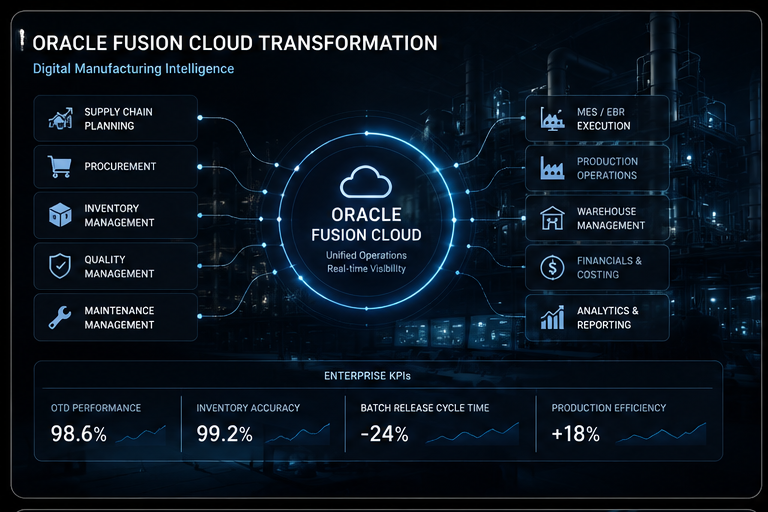
Oracle Fusion Cloud, MES, eQMS, and serialization ecosystems — implemented, validated, and stabilized in live GMP environments where getting it right the first time was the only option.
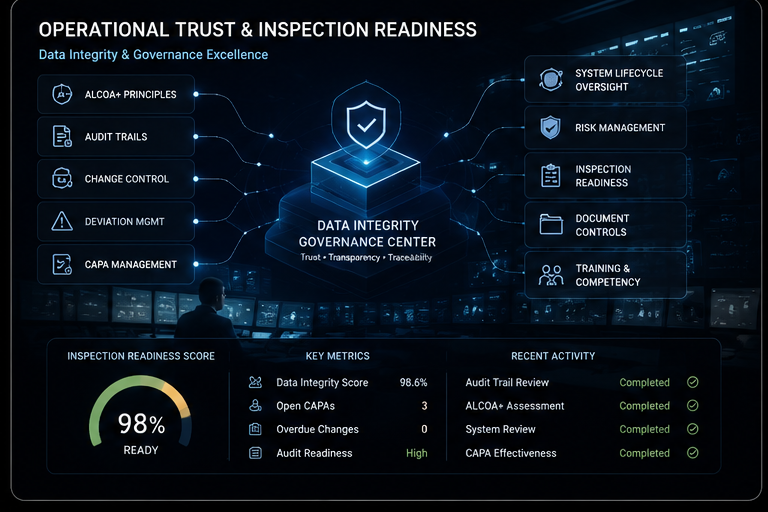
Data integrity isn't a compliance exercise — it's the foundation that every audit, inspection, and operational decision rests on. I build governance frameworks organizations can actually sustain.
AI in regulated environments requires more than enthusiasm — it requires defined context of use, proportional human oversight, and the discipline to know when the technology serves the mission and when it doesn't.
The organizations that will lead in regulated industries over the next decade won’t be the ones with the most policies. They’ll be the ones that built governance infrastructure intelligent enough to keep pace with the speed of change — and teams trusted enough to lead it.
That’s the work I’ve spent ten years doing. Not from the sidelines — embedded in quality systems, manufacturing floors, enterprise implementations, and inspection rooms. Building things that hold up when it counts.

A selection of programs where the outcome required more than technical knowledge — it required earning trust across functions, navigating complexity under pressure, and delivering results that lasted.
Full-scope implementation across SCM, Quality, inventory, and serialization — in a live GMP environment. Cross-functional alignment from IT through QA through Supply Chain. Zero critical validation observations.
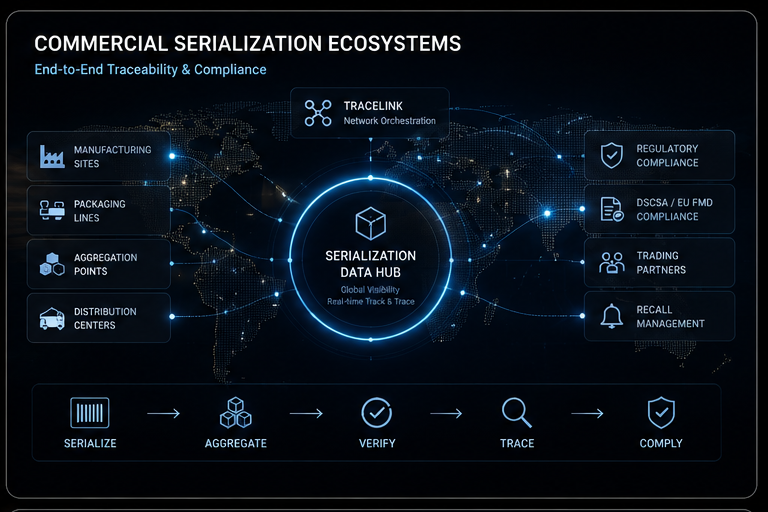
Antares, TraceLink, aggregation, and reconciliation across a commercial serialization network — where a missed event isn’t a process gap, it’s a regulatory exposure. Built to hold.
Governance frameworks that don’t just pass audits — they change how teams work. Traceability and procedural control embedded at the operational level, not bolted on before an inspection.
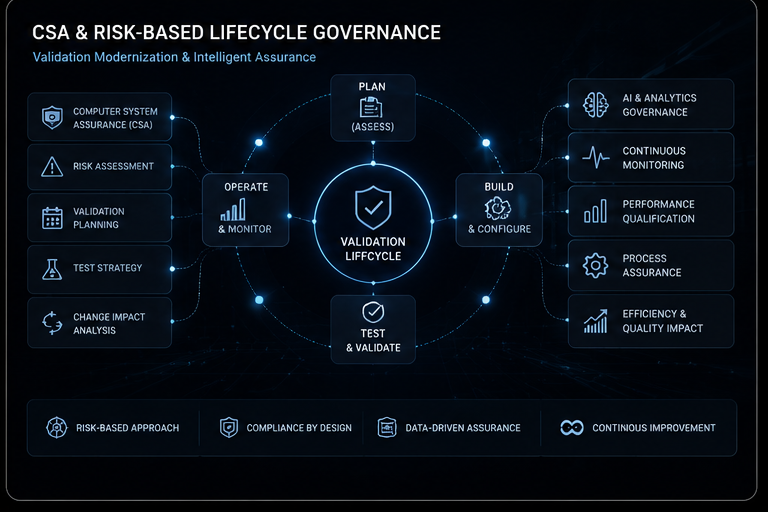
CSA applied the way it was intended — not as a shortcut, but as a maturity shift. Risk-based decisions made transparently, with evidence proportional to what’s actually at stake.
Validation is moving beyond documentation execution and toward a more foundational role in regulated operations: building trust across interconnected GMP ecosystems.
As enterprise platforms, cloud systems, digital manufacturing, serialization networks, AI-enabled workflows, and data integrity programs continue to converge, validation must evolve from a downstream control function into a strategic capability for operational clarity, lifecycle oversight, and inspection readiness.
Validation Futures is a collection of perspectives on where regulated operations are heading — and how modern validation, CSA, data integrity, AI governance, and GxP decision intelligence can help organizations move faster without weakening compliance discipline.
Validation has always been about trust — trust that a system does what it claims, that data means what it says, that a process will hold under pressure. What’s changing is the scale and intelligence of the infrastructure we need to build that trust.
Read Perspective →The volume of GxP systems, cloud platforms, and AI-enabled tools is growing faster than manual assessment can keep pace with. There’s a better model — and it’s already being built.
Read Perspective →CSA isn’t a reduction in rigor — it’s an elevation of thinking. The organizations that apply it well aren’t doing less validation. They’re doing the right validation, with the evidence that actually matters.
Read Perspective →AI in GMP isn’t a technology question — it’s a governance question. Who is accountable? What is the context of use? How do we know when it’s working and when it isn’t? These are validation questions.
Read Perspective →The pattern that emerges from 16+ recommendations across Quality, IT, Manufacturing, Supply Chain, and PMO isn’t just technical depth — it’s the ability to bring people together around a shared goal and hold the line when it matters most.
The next five years will not be defined by regulatory complexity alone. They will be defined by whether organizations can build governance infrastructure that is as intelligent and adaptive as the systems they are trying to govern.
Static validation events tied to go-live milestones will give way to living validation files — systems that score their own compliance posture continuously, flag regulatory drift in real time, and trigger review automatically when risk thresholds are crossed.
Organizations that monitor FDA, EMA, and ICH signals manually — through periodic literature review and quarterly regulatory updates — will be consistently behind. The advantage will belong to those who have built automated intelligence pipelines that surface relevant regulatory change the day it publishes.
AI-enabled GMP systems cannot be validated like configured software. They require defined context of use, proportional human oversight, continuous monitoring of model behavior, and inspection-defensible rationale for every AI-influenced decision. The validation leaders who understand this will be the ones building the frameworks others follow.
These convergences are not predictions — they are already underway. The question is whether your organization’s governance infrastructure is positioned to lead them or respond to them.
Read the Perspectives →Whether you're building a digital quality program, rethinking validation strategy, navigating AI governance in a GMP environment, or leading a complex enterprise transformation — I bring structured execution, regulatory depth, and a working governance intelligence platform to the conversation.